

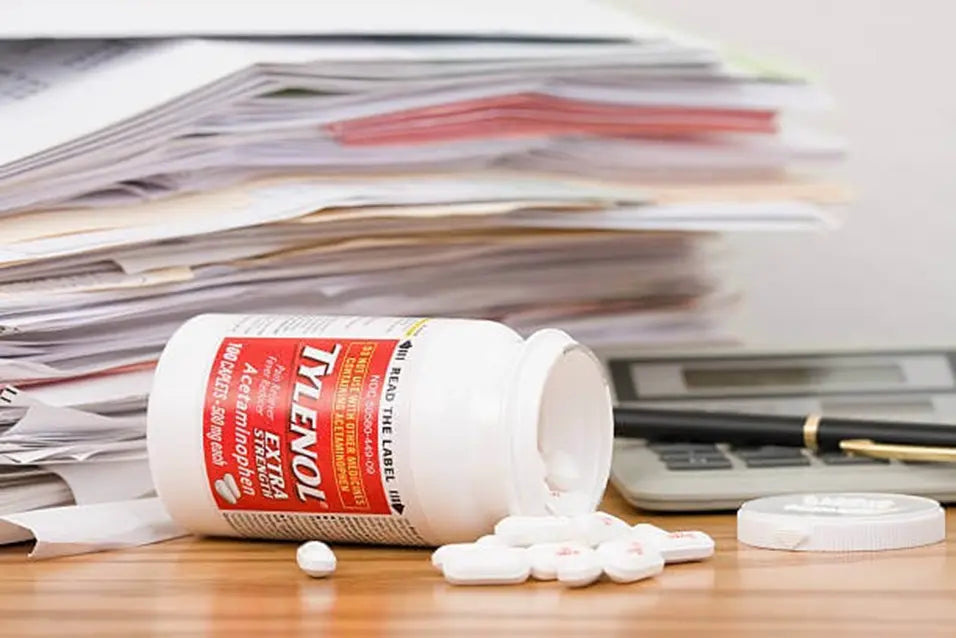
Tylenol is one of the most relied-upon pain relievers in the country, yet few people stop to think about how the body breaks it down.
Every dose passes directly through the liver, where it relies on a protective compound—glutathione—to keep harmful byproducts in check. When glutathione stays plentiful, the liver handles Tylenol smoothly. When it falls too low, risk increases.
Because of this delicate balance, supporting liver health becomes essential for everyday medication safety. Kizer Pharmacy stands beside patients who want evidence-based supplement guidance and clear, personalized wellness support.
Understanding How Tylenol Affects the Liver
How the Liver Processes Acetaminophen
The liver manages most of the work when you take Tylenol. It breaks the medication down through two key pathways: sulfation and glucuronidation. These routes safely transform acetaminophen into water-soluble compounds that the body can eliminate.
A small fraction, however, takes a different route and forms a compound called NAPQI.
Even at normal doses, this byproduct appears in the liver. NAPQI is highly reactive, and the body must neutralize it right away. If it lingers, it begins to damage liver cells. This is why the liver depends heavily on glutathione—its primary defense system.
When Tylenol Becomes a Risk
Tylenol becomes concerning when more NAPQI is produced than the liver can handle. This often happens with:
-
Taking more than the recommended daily dose
-
Using Tylenol frequently for chronic pain
-
Drinking alcohol, which taxes the liver
-
Dehydration or poor nutrition
Once NAPQI builds up, the liver begins to signal distress. Warnings may include nausea, fatigue, or discomfort on the right side of the abdomen. Because these signs can appear slowly, having dosing guidance from a pharmacist remains one of the safest ways to protect your liver.
Glutathione’s Vital Role in Detox and Protection
Glutathione serves as one of the body’s most important antioxidants. It works inside every cell, neutralizing toxins and supporting recovery after stress. It also helps regenerate other antioxidants, keeping the system balanced and strong.
During Tylenol metabolism, this antioxidant plays a frontline role. It binds to NAPQI, preventing the compound from harming liver tissue.
How Glutathione Neutralizes NAPQI
When glutathione meets NAPQI, it attaches to the toxin in a process called conjugation. This reaction renders the compound harmless so the body can remove it. Trouble begins when glutathione levels drop too low.
Without enough to go around, NAPQI starts attaching to liver structures, causing injury.
For individuals who take Tylenol regularly or who have additional stressors on their liver, supportive strategies may be necessary. Kizer Pharmacy helps patients understand whether supplement options or lifestyle changes could be helpful.
Factors That Reduce Glutathione Levels
Lifestyle and Environmental Stressors
Daily habits can drain glutathione faster than the body can replenish it. Common contributors include:
-
Heavy alcohol intake
-
Nutrient-poor diets
-
Smoking
-
Chronic stress
These factors increase sensitivity to medications like Tylenol, even at standard doses.
Age, Medications, and Underlying Conditions
Glutathione naturally declines as we age. Some medications also compete for the liver’s detox pathways, lowering available antioxidant reserves. Health concerns such as chronic infections, metabolic issues, or autoimmune conditions can further reduce glutathione production.
With proper planning, many people can rebuild their levels. Pharmacy teams can help patients choose the right combination of nutrition and supplementation to support natural balance.
Supporting Healthy Glutathione Levels Naturally
Dietary Sources to Encourage Production
Food can support glutathione synthesis when chosen wisely. Helpful options include:
-
Broccoli, cauliflower, and Brussels sprouts
-
Garlic and onions
-
Spinach and kale
-
Foods rich in selenium, such as Brazil nuts
-
Whey protein
-
Fruits high in vitamin C
These ingredients help fuel antioxidant production and strengthen the body’s natural defenses.
Supplements That Boost or Sustain Glutathione
For individuals who need additional support, supplementation can strengthen the liver’s antioxidant defenses. NAC (N-acetylcysteine) remains one of the most trusted options because it supplies the raw materials the body uses to make glutathione. It’s especially helpful for people who experience frequent stressors that drain their natural reserves.
Liposomal or S-acetyl glutathione offer more advanced options for those needing enhanced absorption. These forms deliver glutathione in a way that protects it as it moves through the digestive system, helping more of it reach the bloodstream intact.
Why Liposomal Glutathione Stands Out
Liposomal glutathione provides one of the most efficient ways to raise glutathione levels because the liposomal “shell” improves stability and uptake. This makes it particularly valuable for people with low antioxidant reserves, ongoing oxidative stress, or regular Tylenol use that places additional strain on detox pathways.
Kizer Pharmacy offers high-quality liposomal glutathione products to support patients who need targeted, fast-acting liver protection.
Tylenol Use: Safe Practices and Smart Habits
Proper Dosing and Timing
Using Tylenol wisely prevents liver strain. To stay safe:
-
Follow daily dose limits
-
Space doses evenly through the day
-
Read labels to avoid doubling up on multi-symptom products
-
Avoid mixing with alcohol
These simple steps make a strong difference in long-term health.
When to Seek Professional Guidance
Certain situations call for professional advice. These include chronic pain, frequent Tylenol use, drinking alcohol regularly, medication interactions, or a history of liver issues. Pharmacists remain an accessible and trustworthy resource when questions arise.
When Glutathione Support Matters Most
High-Risk Scenarios That Strain the Liver
Times of stress or illness drain glutathione more quickly. Heavy medication use also pulls from the same detox pathways. When reserves fall too low, the liver becomes more vulnerable to Tylenol and other common substances.
Signs Your Body May Be Struggling
Signals that may suggest low antioxidant capacity include:
-
Sluggish energy
-
Headaches
-
Sensitivity to medications
-
Increased fatigue
Kizer Pharmacy can help patients identify patterns and determine whether supportive strategies are needed.
Strengthen Your Liver’s Defense with Personalized Support from Kizer Pharmacy
 Maintaining healthy glutathione levels is a powerful way to support liver resilience.
At Kizer Pharmacy, we offer science-informed supplement recommendations tailored to your needs. Our team provides medication reviews, wellness consultations, and personalized nutrient planning to help you use Tylenol safely and confidently.
Schedule a consultation today to receive guidance for services built around your health goals.
Conclusion: A Stronger Approach to Liver Health Begins with Awareness
Understanding how Tylenol interacts with glutathione empowers you to make safer choices. When the liver has enough antioxidant support, it can process medications smoothly and maintain its essential functions.
Pairing safe Tylenol habits with nutrient-rich foods, smart supplementation, and personalized care creates a balanced approach to liver wellness.
For tailored advice on supplements, medication decisions, and liver support strategies, contact Kizer Pharmacy and take the next step toward better health.